
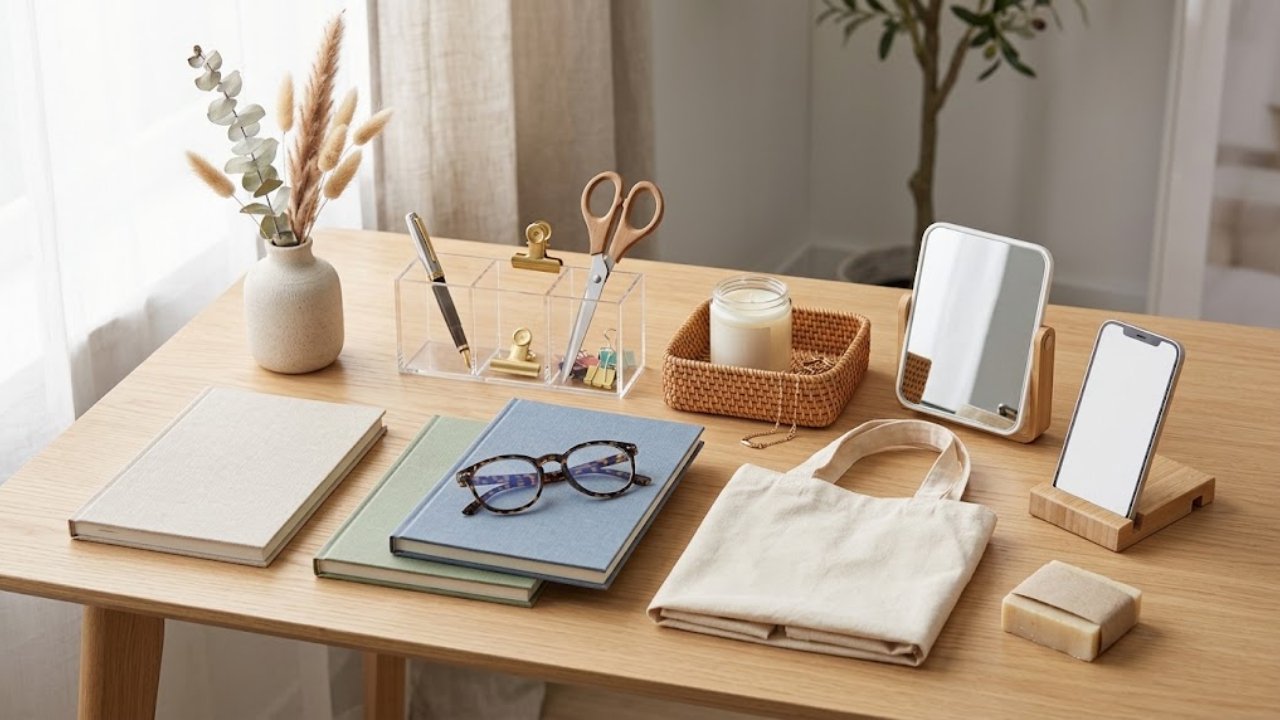
Online shopping has changed how people discover everyday essentials, refresh their wardrobes, decorate their homes, and explore new hobbies. Instead of visiting several different stores, shoppers can browse thousands of products from their phones and compare styles, prices, and practical features in minutes. This convenience has made online marketplaces a familiar part of modern shopping.
Temu is one platform that has attracted attention for its broad selection of products and emphasis on affordable prices. Founded in Boston in 2022, the marketplace connects consumers with a network of sellers, manufacturers, and brands. Its approach brings products from different categories together, giving shoppers plenty of options to explore in one place.
But what makes this style of shopping so appealing? It is not simply about finding something inexpensive. For many people, it is about discovering useful items, trying fresh ideas, and making everyday purchases fit a realistic budget.
Household costs, fashion spending, and everyday expenses can quickly add up. As a result, many shoppers pay closer attention to prices before deciding what to buy. Online marketplaces make this process easier by allowing people to explore alternatives without travelling between physical stores.
Affordable shopping also encourages experimentation. Someone who wants to reorganize a desk, try a new craft, or update a room may prefer to start with a modest purchase rather than spend heavily on something unfamiliar.
Convenience matters, too. Browsing products from home gives shoppers time to compare options, read descriptions, and decide whether an item suits their needs. The best shopping experience combines attractive prices with sensible choices, clear information, and realistic expectations.
Clothing is an important part of online shopping because personal style changes with the season, occasion, and mood. Some shoppers prefer timeless basics, while others enjoy experimenting with colors, prints, and current trends.
Affordable fashion marketplaces provide opportunities to explore different looks without automatically committing to premium prices. Casual tops, everyday outfits, accessories, and seasonal pieces can all inspire new combinations.
The key is to look beyond the product photograph. Check the size chart, material information, garment measurements, and customer feedback whenever available. A familiar size may fit differently across sellers, and fabric appearance in photographs does not always reflect its real texture.
Building a practical wardrobe is less about buying the largest number of items and more about choosing pieces that work together. A few versatile additions can sometimes offer more value than a collection of impulse purchases.
A comfortable home does not necessarily require a complete renovation or expensive furniture. Small decorative changes can make a room feel more organized, personal, and welcoming.
Items such as decorative cushions, wall accessories, storage baskets, desk organizers, and lighting accents can help create a different atmosphere. Someone working with a small bedroom might focus on organization, while a person refreshing a living room could experiment with colors and decorative details.
The most useful approach is to consider the space before purchasing anything. Measure shelves, drawers, and available surfaces. Think about existing colors and decide whether a product serves a practical purpose or simply adds decoration.
Product dimensions are especially important for inexpensive household items. A storage container that looks spacious in a photograph may be much smaller than expected. Reading measurements carefully can prevent disappointment and unnecessary spending.
The kitchen is another area where small purchases can make daily routines easier. Organizers, utensils, food-storage accessories, and preparation tools may help people use their available space more effectively.
For example, someone with limited cupboard space might benefit from a compact organizer, while a person who enjoys cooking could explore tools designed for particular preparation tasks. These items can be useful when they solve a genuine problem rather than duplicate things already at home.
Before buying kitchen products, consider how frequently they will be used and how easy they are to clean. For products that contact food or involve heat, pay particular attention to material information and appropriate safety details. Electrical kitchen devices deserve additional scrutiny because reliable specifications and relevant safety certifications matter more than appearance alone.
A low price can be attractive, but a practical product should also suit the way a household actually operates.
Accessories offer a simple way to change an outfit or personalize everyday belongings. Jewelry, bags, hair accessories, phone cases, and other small items allow shoppers to experiment with different styles without replacing everything they already own.
The appeal often comes from variety. Someone who prefers neutral clothing might choose a colorful accessory, while another shopper may enjoy coordinating small details across an outfit.
When comparing accessories, pay attention to dimensions, materials, closure types, and care instructions. Product images can help communicate a style, but they cannot always show the weight, finish, or durability of an item.
It is also worth considering how often an accessory will be used. A versatile everyday piece may offer better value than something purchased for a single occasion and then forgotten.
Hobbies provide another reason people explore online marketplaces. Crafting, drawing, journaling, decorating, and other creative activities often require small tools or supplies that can be difficult to find in a single local store.
For beginners, affordable materials may make it easier to test an interest before investing in specialized equipment. A person trying handmade decorations, for instance, might start with basic supplies and gradually discover which materials work best.
Experienced hobbyists may also appreciate having different options to compare. However, the lowest price should not be the only consideration. Check the quantity included, dimensions, material quality, and whether the listing contains everything needed for the intended project.
For products intended for children, choose age-appropriate materials and check warnings, small-parts information, and other relevant safety details.
A productive workspace often depends on small details. Desk organizers, cable-management accessories, notebooks, storage solutions, and laptop-related accessories can help reduce clutter and make everyday tasks more comfortable.
Students may want to keep stationery and study materials organized, while people working from home might prioritize a tidy desk and convenient storage. The right accessories depend on the available space and the tasks performed there.
Before purchasing an item, identify the problem it is supposed to solve. A cable organizer is useful when cables regularly become tangled; a document holder makes sense when papers accumulate on a desk. This simple habit keeps spending focused on practical improvements.
For electronic accessories, verify compatibility with your devices. Check connector types, supported power requirements, dimensions, and product specifications rather than assuming every accessory will work with every device.
A large product selection can make browsing entertaining, but it can also encourage unnecessary purchases. A useful way to stay in control is to create a short shopping list before opening an app or website.
Separate essential purchases from optional ones. If an item is not urgent, consider saving it for later and returning to it after a day or two. This pause helps distinguish genuine interest from the excitement of discovering something new.
It is also helpful to compare the total cost rather than looking only at the displayed price. Shipping charges, taxes, delivery estimates, and return conditions may affect whether a purchase represents good value.
Customer reviews can provide additional context, especially when they include detailed comments about sizing, materials, assembly, or everyday use. Look for patterns across multiple reviews instead of relying on a single enthusiastic or negative comment.
Affordable products can be useful, but prices alone cannot establish quality. Two items may look similar in photographs while differing in materials, construction, fit, or expected lifespan.
Start by reading the product description carefully. Check what is included, review the dimensions, and look for clear specifications. If the listing leaves important questions unanswered, it may be better to choose a product with more complete information.
For products involving electricity, batteries, children's use, or direct contact with skin, take extra care with safety and suitability. Do not assume that an attractive listing or a large number of reviews guarantees that an item meets your needs.
Value is ultimately personal. A low-cost organizer that works well for years may be an excellent purchase, while a cheap item that breaks quickly may cost more in the long run. Consider usefulness, reliability, and the consequences of replacing an item when making a decision.
Digital marketplaces make it possible to browse products whenever it suits your schedule. Search tools, category filters, saved items, and order-tracking features can help shoppers manage the process more comfortably.
Temu offers shopping features such as order tracking and notifications, although availability can vary by market, account, and app version. Checking the features available in your own account can help you make better use of the platform.
Convenience should also include protecting personal information. Use secure payment methods, create a strong password, and review the permissions requested by shopping apps. Keep order confirmations and check the seller's return conditions before completing a purchase.
Delivery expectations deserve attention as well. Shipping origins and estimated arrival times can differ by product, so review the information provided for each order rather than assuming every item will arrive on the same schedule.
Good shopping habits develop through experience. You learn which materials suit your preferences, which product descriptions provide useful details, and which purchases genuinely improve daily life.
Keeping a simple record of household needs and discretionary spending can help make future decisions easier. It also reveals patterns, such as buying duplicate organizers or spending too much on products that are rarely used.
Another useful habit is to review your basket before checkout. Remove items that no longer seem necessary, confirm quantities, and double-check the final total. A few minutes of review can make a noticeable difference to your spending.
Affordable shopping works best when it supports your priorities instead of creating new expenses. Whether you are updating a room, exploring a hobby, or finding everyday essentials, thoughtful choices help ensure that purchases serve a real purpose.
Online shopping continues to evolve as marketplaces connect more consumers with sellers and expand the range of products available digitally. Temu's marketplace model brings manufacturers, merchandise partners, and brands together with shoppers, while local-seller initiatives have also created opportunities for businesses in participating markets.
For consumers, a wider selection can mean more opportunities to compare prices, discover unfamiliar products, and find alternatives for everyday needs. At the same time, shoppers benefit from remaining selective. Product transparency, reliable delivery information, responsible spending, and attention to safety will continue to matter regardless of how shopping technology develops.
The smartest approach is not to buy everything that catches your eye. It is to use the available choice to find items that suit your budget, meet your expectations, and make everyday life a little easier.

A bathroom renovation does not always require replacing every tile, moving plumbing, or spending a f

There is something special about experiencing a major sporting event in person. The roar of a footba
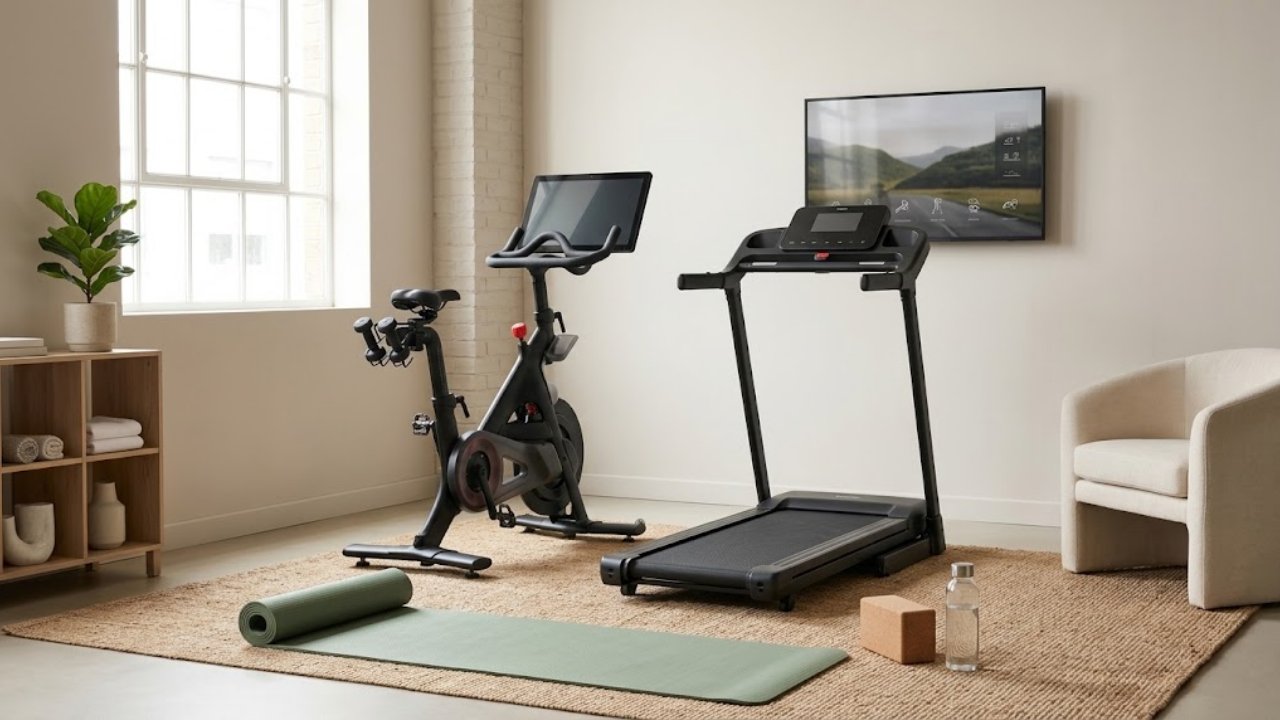
Staying active becomes much easier when exercise fits naturally into your everyday life. You do not

A great gaming setup should do more than look impressive in photos. It should run your favorite game

A memorable holiday is about more than visiting a beautiful destination. Where you stay can shape th

A great gaming setup is about more than impressive graphics or colorful lights. The right PC should
Reviews
No reviews yet!
Your Review Rating